
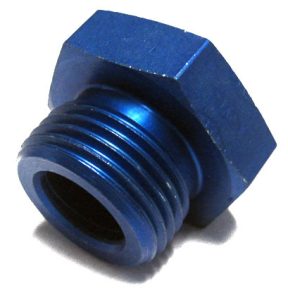
Bleeder plugs offer a simple and effective way to deal with trapped air or excess fluid in sealed systems. While they look like ordinary threaded caps, bleeder plugs follow a strict design. You can even find them in aerospace standards, such as AN814. Regardless, bleeder plugs make it easy to release or “bleed” excess fluid or trapped air.
What Are Bleeder Plugs?
Bleeder plugs are threaded fittings used to release trapped air or excess fluid in sealed systems. Also known as bleeder caps, they feature a short threaded body, a sealing seat, a bleed hole and a head. You can install bleeder plugs in sealed systems to prevent the accumulation of excess fluid or trapped air.
Why Trapped Air Is a Concern
In sealed systems, trapped air can create blockages that restrict or prevent the flow of fluid. Many sealed systems contain fluid, such as hydraulic fluid. The fluid is pressurized so that it moves around while transferring energy. Trapped air, however, can cause a myriad of problems.
When air becomes trapped in a sealed system, the fluid may struggle to flow. This can result in pressure fluctuations, less responsive controls and increased wear and tear on seals. Trapped air in cooling systems can even lead to overheating, which in turn can damage expensive machinery components.
How Bleeder Plugs Work
Bleeder plugs work by allowing pressurized fluid or air to escape from the sealed system. In a perfect world, air would never become trapped in sealed systems. When you open a sealed system for maintenance or other purposes, though, you may inadvertently introduce air to it, which can lead to the problems listed above. A simple solution is to use a bleeder plug to purge any excess fluid or trapped air.
Most bleeder plugs require loosening. You don’t need to completely remove them. Rather, you just need to loosen the bleeder plug enough to reveal the bleed hole. The bleed hole is a narrow hole — the diameter is typically about 0.062 inches — through which excess fluid or trapped air escapes.
With the bleeder plug loosened, trapped air will initially escape, followed by excess fluid. After purging the fluid and air, you can then retighten the bleeder plug. The bleed hole will be concealed once again so that it doesn’t leak fluid or air.
In Conclusion
Bleeder plugs offer a simple and reliable way to maintain the integrity of sealed systems. They remove trapped air and excess fluid without requiring full disassembly, which saves time and reduces the risk of contamination.